
Posted inCelebrities








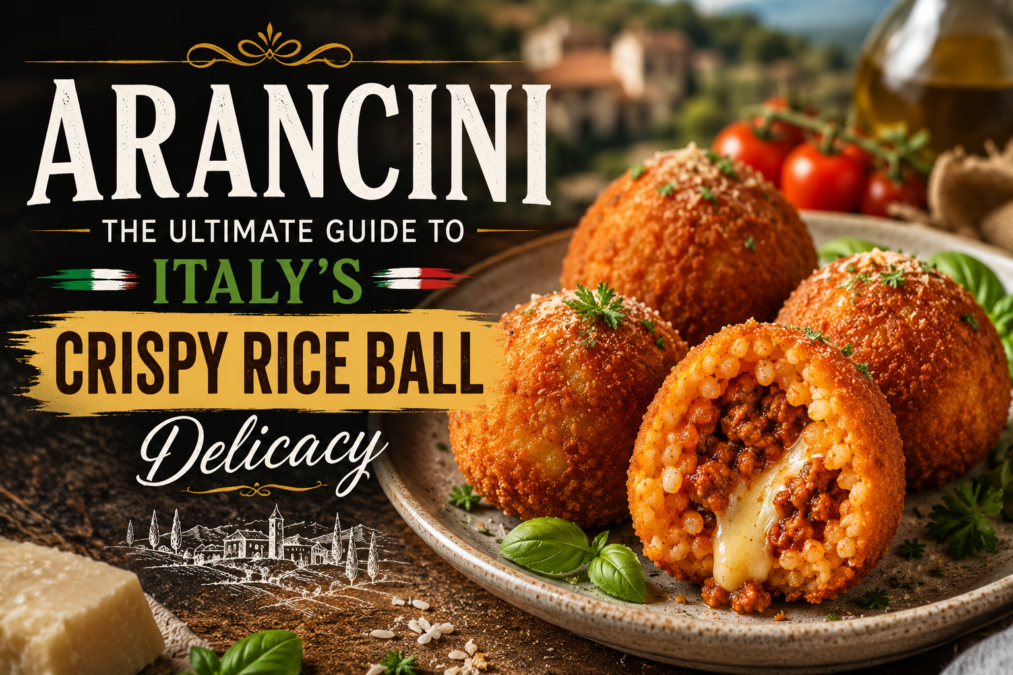
Few dishes capture the soul of Italian street food quite like arancini — golden, crispy rice balls stuffed with rich, savory fillings. Originating from Sicily, this beloved snack has traveled far beyond its island roots to become a global favorite, appearing on menus from casual trattorias to fine-dining restaurants. Whether you’re a curious foodie, a home cook looking for a new recipe, or simply someone who stumbled upon the word “arancini” and wondered what it means, this guide covers everything you need to know.
What Is Arancini?
These treats (singular: arancino or arancina, depending on the region) are deep-fried Italian rice balls, typically filled with ragù (meat sauce), mozzarella cheese, peas, and sometimes other ingredients like ham or mushrooms. Each ball is coated in breadcrumbs and fried until it achieves a crunchy, golden-brown exterior, while the inside remains soft, cheesy, and packed with flavor.
The name translates to “little oranges” in Italian, a nod to the round shape and golden color, which resembles small citrus fruits once fried. This charming naming convention hints at a dish with deep cultural roots and a centuries-old history.
A Brief History
Their origins trace back to Sicily during the period of Arab rule in the 9th and 10th centuries. Historians believe the snack evolved from simple rice dishes seasoned with saffron, which the Arabs introduced to the island along with rice cultivation itself. Over time, Sicilians began forming the seasoned rice into balls, stuffing them with local ingredients, and eventually frying them — a technique that likely developed later, possibly during the Middle Ages or even more recently in the 19th century when frying became more common in Sicilian cuisine.
Today, this snack is so central to Sicilian identity that different regions have their own signature shapes and fillings. In Palermo, the balls are typically round, while in Catania, they are shaped like cones to represent Mount Etna, the famous volcano. This regional variation reflects how deeply the dish is woven into local pride and tradition.
Traditional Fillings
While the classic recipe features ragù, mozzarella, and peas, there are countless variations enjoyed across Italy and beyond. Some of the most popular fillings include:
- Ragù (meat sauce): The most traditional filling, made with slow-cooked beef or pork in tomato sauce.
- Mozzarella or caciocavallo cheese: Adds a gooey, melty center.
- Peas (piselli): A classic addition that provides texture and a subtle sweetness.
- Ham and cheese (prosciutto cotto): A simpler, kid-friendly variation.
- Mushroom (funghi): A vegetarian-friendly option with an earthy flavor.
- Pistachio: A modern twist popular in gourmet arancini shops, using Sicily’s famous pistachios.
- Seafood: Some coastal regions incorporate shrimp or other seafood for a unique take.
How They’re Made
Making this dish authentically at home requires patience, but the process is straightforward once you understand the steps. Here’s a breakdown of the traditional method:
1. Cook the Rice
The base is short-grain rice, often Arborio or Carnaroli, similar to the rice used in risotto. It’s cooked with saffron (in the traditional Sicilian style) or plain, then allowed to cool completely. Cooling is essential because warm rice is difficult to shape and can fall apart during frying.
2. Prepare the Filling
While the rice cools, the filling is prepared separately. For the classic version, this means simmering a rich ragù with ground meat, tomatoes, onions, and herbs until thick and flavorful. Peas are often stirred in near the end of cooking.
3. Shape the Balls
Once the rice has cooled, it’s time to form the balls. A small amount is flattened in the palm of the hand, filled with a spoonful of ragù, cheese, and peas, then more rice is added on top to enclose the filling completely. The mixture is shaped into a ball or cone, depending on regional preference.
4. Bread and Fry
The formed balls are coated in flour, dipped in beaten egg, and rolled in breadcrumbs to create a protective crust. They are then deep-fried in hot oil (around 350°F or 175°C) until golden brown and crispy on the outside. The result is a satisfying contrast between the crunchy shell and the creamy, flavorful interior.
Is This Snack Healthy?
It’s undeniably delicious, but as a deep-fried dish, it’s best enjoyed in moderation. A single serving can range from 200 to 400 calories depending on size and filling, with a notable amount of fat from the frying process. For a lighter alternative, some cooks bake or air-fry the rice balls instead of deep-frying them, which reduces the oil content while still achieving a crispy texture. Using leaner meat fillings or vegetarian options like mushroom and cheese can also make the dish somewhat lighter without sacrificing flavor.
How Does It Compare to Suppli?
Many people confuse this Sicilian classic with suppli, a similar rice ball dish from Rome. While they look alike, there are key differences:
- Shape: The Sicilian version is typically round or cone-shaped, while suppli are more oval or egg-shaped.
- Texture: Suppli are known for their “telephone wire” effect — when you pull the rice ball apart, the melted mozzarella inside stretches like a phone cord.
- Rice preparation: Suppli often use rice cooked in tomato sauce, giving them a reddish hue, whereas the Sicilian rice can be plain or saffron-colored.
Understanding this distinction is helpful for anyone exploring Italian cuisine beyond Sicily, as both dishes showcase Italy’s love for transforming simple rice into a comforting, crispy treat.
How to Serve Them
This snack is incredibly versatile and can be served in a variety of settings:
- As street food: In Sicily, they’re sold at bakeries and street vendors as a quick, satisfying snack.
- As an appetizer: Many Italian restaurants serve mini versions as a starter, often paired with a marinara or aioli dipping sauce.
- As a main course: Larger portions can be served alongside a simple salad for a complete meal.
- At parties: Bite-sized versions make excellent finger food for gatherings and celebrations.
Pairing suggestions include a light Sicilian white wine, a simple arugula salad with lemon dressing, or a side of marinara sauce for dipping.
Tips for Making Perfect Results at Home
- Use cold, day-old rice. Freshly cooked rice is too sticky and warm to shape properly. Refrigerating the rice for a few hours (or overnight) makes it much easier to work with.
- Don’t overfill. Adding too much filling can cause the rice balls to break apart during frying. A small spoonful is usually enough.
- Seal them well. Make sure the rice completely encases the filling with no gaps, or the cheese may leak out while frying.
- Maintain oil temperature. Frying at too low a temperature results in a greasy, soggy result, while too high a temperature can burn the coating before the inside heats through. Aim for a consistent 350°F (175°C).
- Let them rest before serving. Letting the balls sit for a few minutes after frying helps the filling set slightly, making them easier to eat without burning your mouth.
Where to Find the Best Ones
If you’re traveling to Italy, Sicily is the definitive destination for the real deal. Cities like Palermo, Catania, and Syracuse are famous for their bakeries and street food stalls specializing in this dish. Outside Italy, it has become increasingly popular in Italian restaurants worldwide, and many gourmet food trucks and specialty shops now offer creative variations, including vegan and gluten-free options.
Frequently Asked Questions
1. What does arancini taste like? Expect a crunchy, golden shell giving way to creamy rice and a savory, cheesy center. The classic meat-and-cheese filling tastes rich and comforting, similar to a cross between a risotto and a fried cheese ball.
2. Is arancini the same as a rice ball? It’s a specific type of stuffed, breaded, and fried rice ball from Sicily. Plain rice balls without breading or frying, or ones from other cultures like Japanese onigiri, are different dishes despite the shared “rice ball” category.
3. Can arancini be made ahead of time and frozen? Yes. The shaped, breaded balls freeze well before frying — simply place them on a tray until solid, then transfer to a freezer bag. Fry directly from frozen, adding a few extra minutes to the cooking time.
4. What is the best dipping sauce to serve with it? Marinara or simple tomato sauce is the traditional choice, though garlic aioli, spicy arrabbiata, or a squeeze of lemon also pair well, especially with cheese or vegetarian fillings.
5. Why did my rice balls fall apart while frying? This usually happens when the rice wasn’t cooled and packed tightly enough, the filling was too generous, or the oil temperature was too low. Chilling the shaped balls in the fridge for 20–30 minutes before frying helps them hold together.
Final Thoughts
This dish represents more than just a tasty snack — it’s a delicious piece of Sicilian history, shaped by centuries of cultural exchange and culinary tradition. Whether you enjoy the classic ragù-and-cheese version or experiment with modern fillings like pistachio or seafood, it offers a satisfying combination of crispy texture and comforting flavor that has rightfully earned its place among the world’s favorite comfort foods.
If you haven’t tried making it at home yet, now is the perfect time. With a bit of patience and the right technique, you can recreate this iconic Sicilian dish in your own kitchen and experience a true taste of Italy.