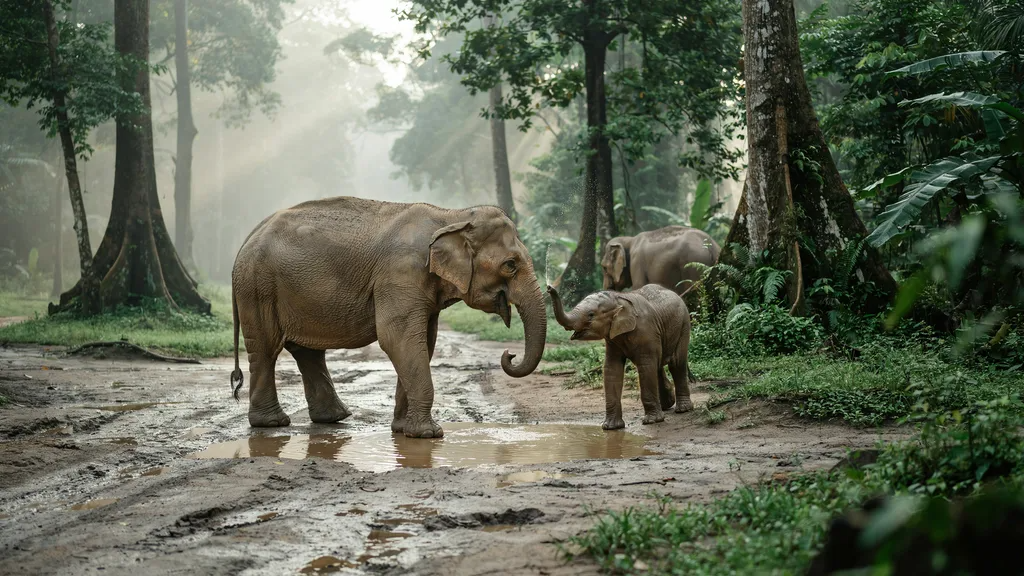

Have you ever met a giant with toenails like little polished stones? The Sumatran Elephant is a very special animal. It lives on a lush green island in Indonesia called Sumatra. This animal is a smaller cousin of other big elephants. It is a smart and gentle creature that loves to splash in the mud. When you look at a sumatran elephant, you see a soft grey skin and big, kind eyes. They are very important for their home. They walk through the tall trees and help new plants grow. But these lovely animals need our help right now. Let us learn more about them together!
Who Is the Sumatran Elephant?
The sumatran elephant is a special kind of Asian elephant. In fact, it is the smallest of all the Asian elephant family members. Even though they are small for elephants, they are still huge! A big one can weigh as much as a heavy truck. They have a smooth back and one tiny finger-like part at the end of their trunk. They use this little finger to grab tasty leaves and sweet fruits. When I read about them, I am always amazed by how delicate their trunk can be. They use it like a gentle hand to pick up tiny berries or scratch an itchy knee.
Where Do They Call Home?
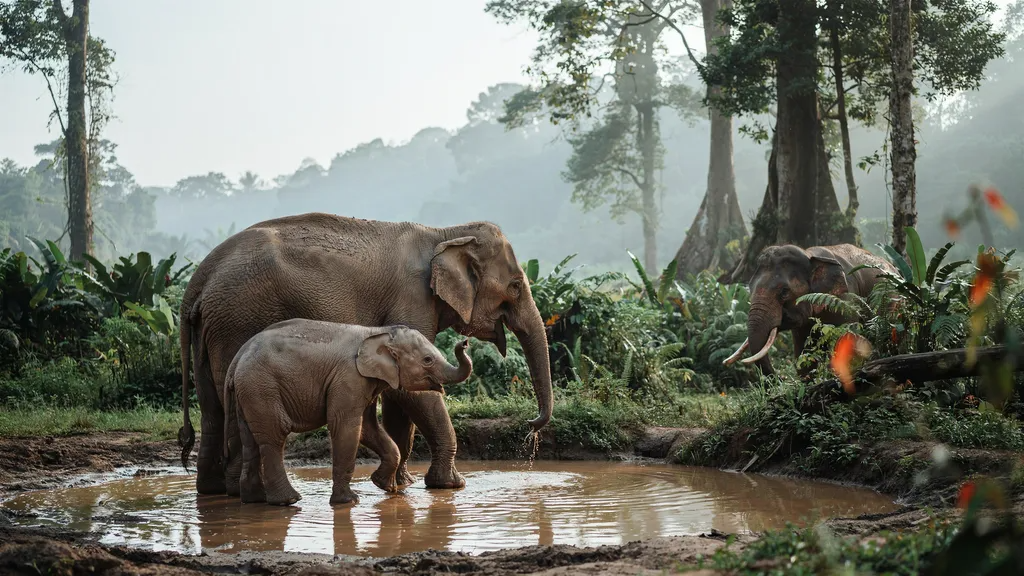
These big animals live in the thick tropical rainforests of Sumatra. They love the warm lowlands and valleys near flowing rivers. The forest is full of tall trees that give them cool shade from the hot sun. A sumatran elephant shares this green wonderland with other rare friends. Tigers, rhinos, and cute orangutans live in the same woods. Walking through this jungle feels like stepping into a magical green world. The trees stretch up high into the clouds, and the air smells like damp earth and sweet flowers. It is the only place on Earth where all these great animals live together.
What Do They Eat Every Day?
Eating is a full-time job for a sumatran elephant! They spend most of their day just munching on plants. A single sumatran elephant needs to eat a huge pile of food every single day. We are talking about hundreds of pounds of leaves, grass, roots, and yummy fruits. Because they eat so much, they move around a lot in family groups. As they walk and eat, they drop seeds behind them in their poop. This natural habit plants new trees! Earning their keep by gardening the forest, the sumatran elephant helps keep the whole woodland healthy and green.
Why Do They Love Mud Baths?
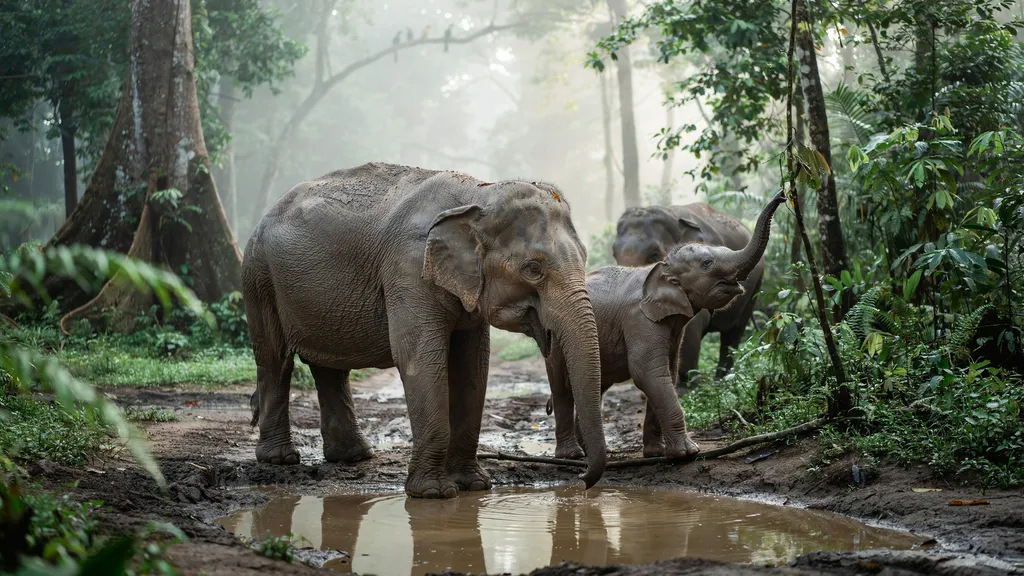
Even though their skin looks tough, a sumatran elephant has very sensitive skin. To protect themselves from bugs and the blazing sun, they love to play in the mud. They roll around in wet dirt and spray cool mud all over their backs. It acts like a natural sunblock! When the mud dries, it keeps their skin soft and safe. Watching a baby sumatran elephant slip and slide in the muddy puddles is pure joy. They play just like human children do on a rainy afternoon, splashing and making funny noises with their trunks.
The Big Trouble with Lost Homes
Sadly, the sumatran elephant is in great danger today. People are cutting down the big rainforests to make farms and plant palm oil trees. When the trees are gone, the sumatran elephant loses its home and food. They have less and less space to roam around. This means families get separated, and the wild population shrinks fast. It breaks my heart to think that these peaceful animals are running out of room. A forest without elephants loses its beating heart, and we must do our best to stop this loss.
Meeting People: The Food Trouble
Because the forest is shrinking, a sumatran elephant sometimes wanders into human villages. They smell yummy crops like corn or bananas growing on farms. When they walk onto the farms to eat, they can knock down fences or eat a farmer’s whole harvest in one night. This causes a big problem called human-wildlife conflict. Farmers get scared and upset about losing their food. We have to find smart ways to keep the farms safe without hurting the sumatran elephant, helping neighbors live side by side in peace.
Heroes Who Protect the Jungle
Many brave people work hard to save the sumatran elephant. Special groups of rangers and trained elephants, called Elephant Response Units, patrol the deep woods. They look out for traps and guide lost animals away from danger. Governments and local villagers are also learning how to build safe pathways for the animals to travel. When we support these rescue projects, we become part of the team. Every little bit of care helps the sumatran elephant stay safe in its natural home.
Why Do Elephants Matter to Us?
You might wonder why a wild sumatran elephant matters to your everyday life. These creatures are like the caretakers of the earth. By spreading seeds and clearing paths, they help clean the air and protect our global climate. Saving the sumatran elephant means saving whole forests full of life. When we look after them, we also look after our own future on this planet. They teach us about family love, kindness, and how every living thing is connected in a wonderful web of nature.
Conclusion
We have the power to help the sumatran elephant shine and survive. You can share their story with your friends and family. Learning about wildlife is the first great step. When people care, companies and leaders make better rules to protect the trees. Let us promise to support nature and keep the jungle green. The next time you draw a picture of an elephant, remember its tiny cousin in Sumatra. Together, we can make sure the sumatran elephant keeps walking through the Indonesian forests for a long, long time.
Complete Detailing Table
| Feature / Detail | Description |
| Focus Keyword | sumatran elephant |
| Scientific Name | Elephas maximus sumatranus |
| Location / Habitat | Island of Sumatra, Indonesia (Lowland tropical forests) |
| Conservation Status | Critically Endangered |
| Average Weight | 2,000 to 4,000 kilograms (2 to 4 tons) |
| Shoulder Height | 2 to 3.2 meters (5 to 9 feet) |
| Diet Type | Herbivore (Leaves, grass, fruit, bark, and crops) |
| Lifespan | Up to 60 years in the wild |
| Main Threats | Deforestation, habitat loss, poaching, and human-elephant conflict |
Frequently Asked Questions
What is a sumatran elephant?
It is a rare and critically endangered subspecies of the Asian elephant that lives only on the island of Sumatra in Indonesia. It is smaller than other Asian and African elephants.
Why is the sumatran elephant endangered?
They are losing their forest homes because trees are cut down for farming and palm oil plantations. Poaching and conflicts with farmers also threaten their survival.
How much does a sumatran elephant eat?
They need a huge amount of food daily, often consuming over 200 kilograms of leaves, grass, and fruits to stay healthy.
How do sumatran elephants help the forest?
As they eat and walk through the jungle, they spread plant seeds in their waste. This helps new trees grow and keeps the ecosystem balanced.
Where can you find them in the wild?
They live in dense tropical lowland forests, river valleys, and mountain areas across the island of Sumatra.
How can we help protect them?
We can support wildlife conservation groups, protect forest corridors, and promote smart farming that lets people and elephants live safely together.